SuppliesComparison
Litter Box Furniture for Big Cats: Interior Size Matters Most
How to choose litter box furniture for a large cat: check the inside dimensions against the box size rule, the entry hole, ventilation and cleaning access.
We earn from qualifying purchases through links on this page. How we make money.
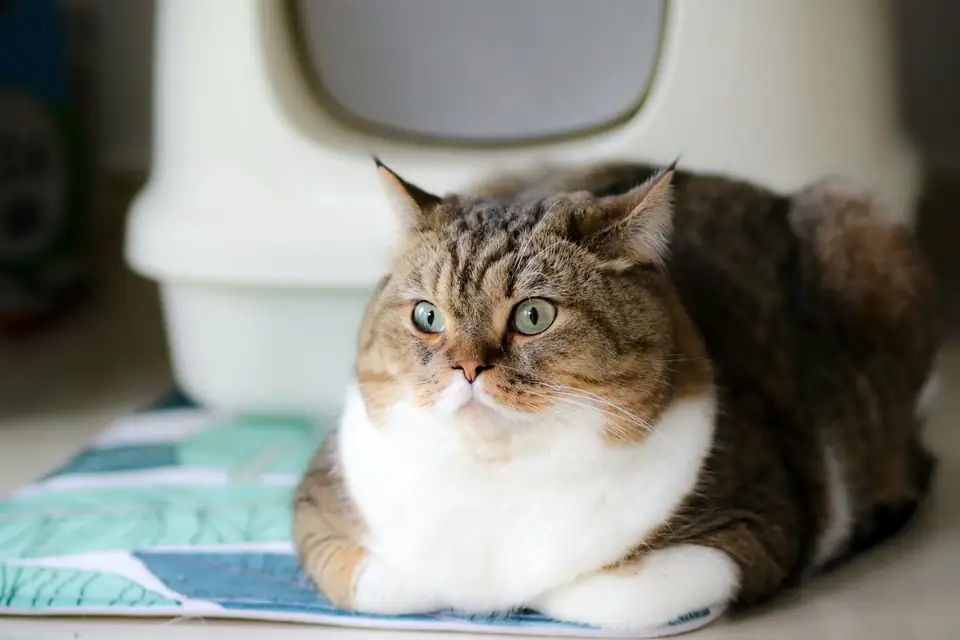
Litter box furniture works for a big cat only if the inside is large enough. Check the cabinet’s interior length against the box size rule from veterinary guidance, 1.5 times the cat’s length from nose to base of tail, and check the entry hole. A cabinet’s outside size says little about the box it can hold.
That is the mistake to avoid with this kind of furniture: the cabinet looks big, but the box inside it is an average-cat box. A litter box cabinet is still a covered box with one way in and out, so the same guidance that applies to hooded boxes applies here.
Measure the inside, not the outside
Start with your cat. Measure from nose to base of tail and multiply by 1.5, the rule the Feline Veterinary Medical Association (FelineVMA) and International Cat Care use for box length. Then compare that number with the cabinet’s interior:
| What to check | Why it matters for a big cat | Where to find it |
|---|---|---|
| Interior length | Must hold a box about 1.5 x the cat’s length | Maker’s spec page or manual |
| Interior width | The cat needs room to turn and dig | Maker’s spec page |
| Interior height | A tall cat should not crouch to squat | Maker’s spec page |
| Entry hole | A big cat must walk through without squeezing | Maker’s spec page |
| Opening for cleaning | Daily scooping must be easy | Photos and manual |
As an example of why the entry matters, New Cat Condos lists a 30 by 17 by 16 inch interior for its Premier enclosure, a generous inside length, but an entry opening of 8 by 10 inches. Whisker lists only outside dimensions for its large Credenza enclosure. These are maker figures; compare them with your own cat before you buy.
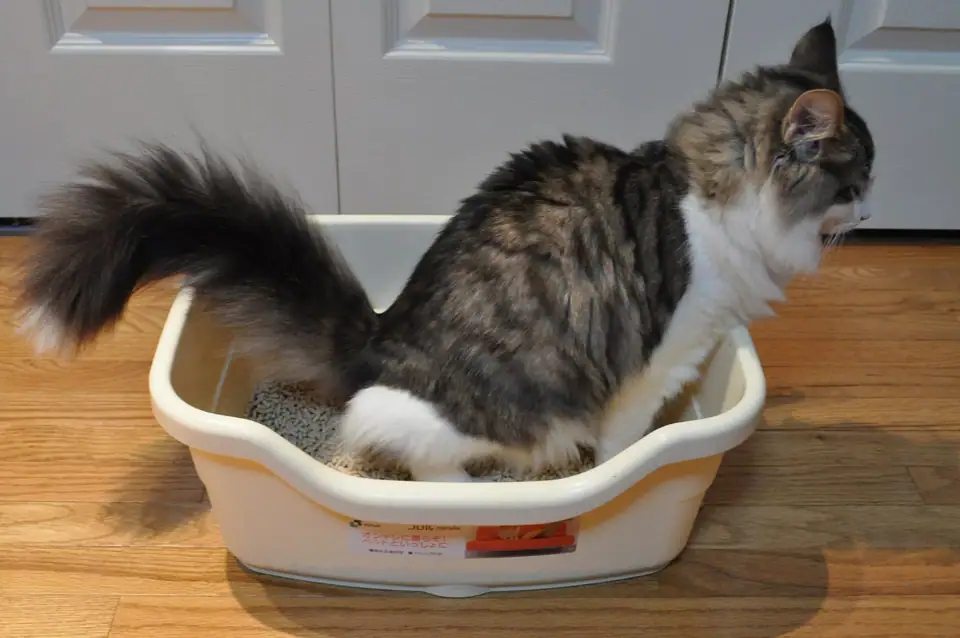
Entry holes and big cats
A cat that has to squeeze in may stop using the box. Measure your cat across the shoulders and from the floor to the top of the shoulders, then compare with the entry the maker lists. If the cabinet is meant for an automatic box, compare its opening with the box maker’s entry size as well; Whisker lists a 15.75-inch square entry for the Litter-Robot 4.
International Cat Care notes that some cats “feel vulnerable when confined in a small space with only one available exit point,” especially with other cats in the house, and that “large breed cats in particular may find smaller hooded trays challenging to use.” Cornell Feline Health Center says most cats prefer simple boxes without hoods. If you choose a cabinet, keep at least one open box elsewhere.
Litter box furniture and enclosures
Live listings, shown by eBay
Opens eBay in a new tab. Check condition, seller feedback and returns.
Ventilation and odor
An enclosure keeps smell in the cabinet, which is also where the cat breathes. Makers describe vents, fans and filters; treat those as maker claims. What the veterinary guidance says is simpler: scoop at least once a day and wash the box every one to four weeks with soap and hot water, and avoid strong chemicals, deodorizers and scented litter, which many cats dislike, according to FelineVMA. A cabinet that makes daily scooping awkward will be scooped less often.
Cleaning access and materials
Look for a door or lid that opens fully, so you can lift the box out rather than scoop through a small hole. A removable floor tray or a water-resistant inner surface makes spills easier to clean. Particleboard swells if urine soaks in; sealed wood, plastic liners or a mat inside help.
Where to put it
Placement rules do not change because the box is hidden. FelineVMA says boxes belong in quiet, private places, away from food and water, and not where a cat could be cornered or blocked. One box per cat plus one, in separate spots. A cabinet in a busy living room may be tidy for people but stressful for the cat.
Common styles, and what each means for a big cat
| Style | What to watch for with a large cat |
|---|---|
| Cabinet with a side entry | Entry hole size; inside length behind the entry |
| Bench or credenza | Often the most interior room; check the inside, not the top |
| Side table or nightstand | Often compact; check it holds a box long enough for your cat |
| Planter or decor box | Check the inside height so a tall cat does not crouch |
The pattern is the same in every style: the bigger the piece of furniture, the more likely it is to hold a box sized for a big cat, but only the maker’s interior dimensions can confirm it.
A five-step check before you buy
- Measure your cat from nose to base of tail and multiply by 1.5 for the box length.
- Find the cabinet’s interior length, width and height on the maker’s page. If they are missing, ask.
- Compare the entry hole with your cat’s shoulder width and height.
- Check how the box comes out for daily scooping and washing.
- Keep a second, open box elsewhere, as the one-per-cat-plus-one rule asks.
Matching the box to the cabinet
Choose the box first, then the cabinet. Our litter box guide covers sizes, storage bins and open versus covered boxes, and the self-cleaning litter box comparison lists makers’ stated weight ranges and entry sizes. A big cabinet is also a popular gift for a household with a large cat; see gifts for big cat lovers. For everything else a big cat outgrows, start at the supplies hub.
Extra large boxes to fit inside
Live listings, shown by eBay
Opens eBay in a new tab. Check condition, seller feedback and returns.
Frequently asked questions
Will a litter box enclosure fit a Maine Coon?
Only if its inside dimensions hold a box long enough for the cat and its entry is big enough to walk through comfortably. Measure the cat from nose to base of tail, multiply by 1.5 for the box length, then compare that with the cabinet's interior, not its outside size.
What size litter box fits in litter box furniture?
Whatever fits the interior the maker lists. For example, New Cat Condos lists a 30 by 17 by 16 inch interior for its Premier enclosure. Some makers, Whisker among them for its Credenza, list only outside dimensions; if the inside size is missing, ask before buying.
Do cats mind litter box furniture?
Some do. International Cat Care notes that some cats feel vulnerable in a small space with one exit, and that large breeds may find small hooded trays hard to use. Watch the cat after the switch and keep an open box available as the second box.
Sources
- Feline House-soiling: Useful Information for Cat Caregivers (2026)Feline Veterinary Medical Association (formerly the AAFP)
- Choosing a litter tray for your catInternational Cat Care
- Choosing and Caring for Your New CatCornell Feline Health Center
- Premier Litter Box EnclosureNew Cat Condos
- Large Litter Box Enclosure CredenzaWhisker
- Litter-Robot 4 Automatic Litter BoxWhisker
Filed under SuppliesStart with Supplies for Large Cats: What to Size Up and What to Skip
Keep reading
Start here
Supplies for Large Cats: What to Size Up and What to Skip
Which cat supplies need sizing up for a large cat, from litter boxes and trees to carriers and harnesses, how to measure your cat, and what can stay standard.
Supplies
Question
Carriers for Large Cats: Size, Hard vs Soft, and Air Travel
What size carrier a large cat needs, hard versus soft carriers for vet visits, carrying a heavy cat, and the airline in-cabin limits that rule out big cats.
Supplies
Comparison
Cat Trees for Large Cats: Base, Posts and Perches That Hold
How to choose a cat tree for a large, heavy cat: base footprint, post thickness, perch size, maker weight limits, wall straps and furniture-grade options.
Supplies