SuppliesStart here
Supplies for Large Cats: What to Size Up and What to Skip
Which cat supplies need sizing up for a large cat, from litter boxes and trees to carriers and harnesses, how to measure your cat, and what can stay standard.
We earn from qualifying purchases through links on this page. How we make money.
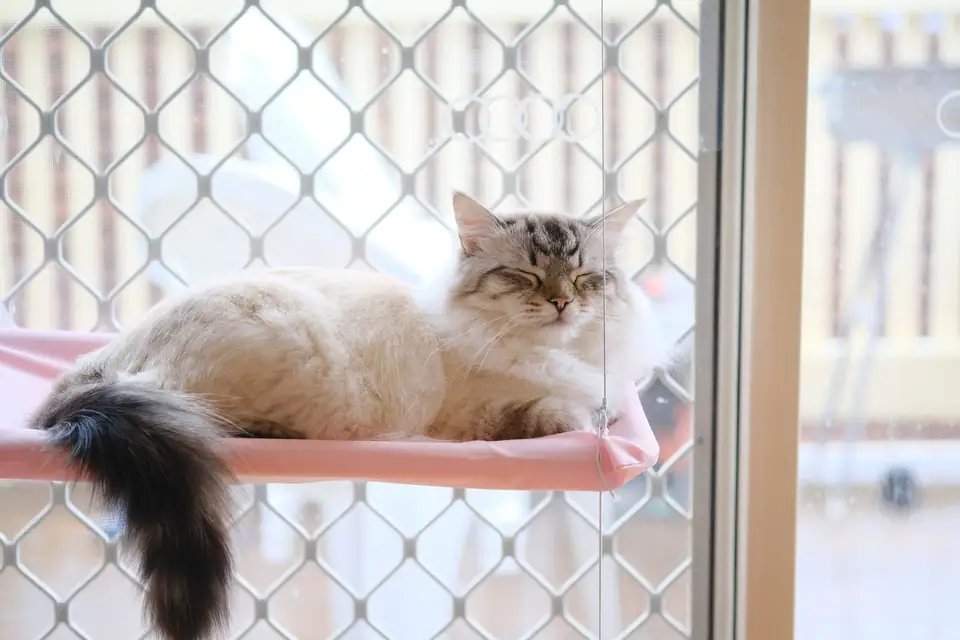
A large cat needs bigger versions of five things: a litter box about 1.5 times its body length, a cat tree with a wide base and deep perches, a scratching post taller than its full stretch, a carrier it can turn around in, and a harness sized by chest girth. Bowls, grooming tools and most toys need only small changes.
The rules below come from veterinary guidance (the Feline Veterinary Medical Association, International Cat Care and the AAFP and ISFM guidelines) and from makers’ own size and weight figures. The size gap is real: the breed registry says Maine Coon males can reach or exceed 20 pounds, and they keep growing for up to three years. Buy for the adult cat.
Measure your cat first
- Body length, nose to base of tail. Sizes the litter box (about 1.5 times this length) and tells you how long a perch or bed needs to be.
- Weight. Compare with the maker’s stated limit for tree platforms, self-cleaning boxes and exercise wheels.
- Chest girth, just behind the front legs. Sizes a harness on the maker’s chart.
Litter boxes: the purchase most often too small
“In general, bigger is better and many commercial litter boxes are too small,” says the Feline Veterinary Medical Association. Its rule, shared by International Cat Care, is a box 1.5 times the cat’s length from nose to base of tail, one per cat plus one extra. For a big cat, that usually means an extra large box or a storage bin. International Cat Care adds that large breeds may find smaller hooded trays hard to use.
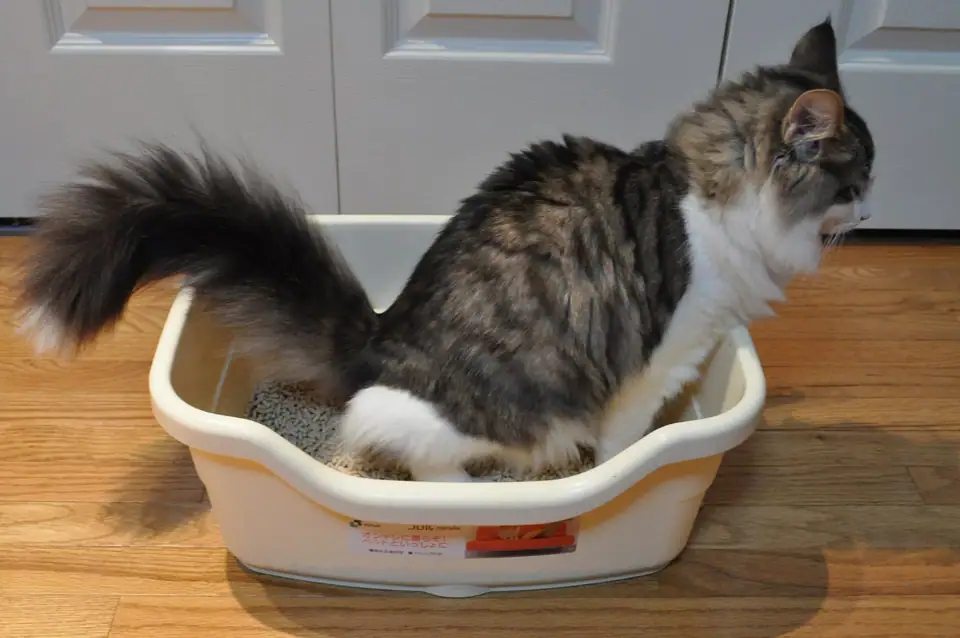
Three guides cover the litter question: litter boxes for large cats explains sizing, storage bins and covered versus open; self-cleaning litter boxes compares makers’ stated weight ranges and entry sizes; and litter box furniture shows why the inside dimensions of a cabinet matter more than the outside.
Extra large and high-sided litter boxes
Live listings, shown by eBay
Opens eBay in a new tab. Check condition, seller feedback and returns.
Climbing and scratching: built for weight
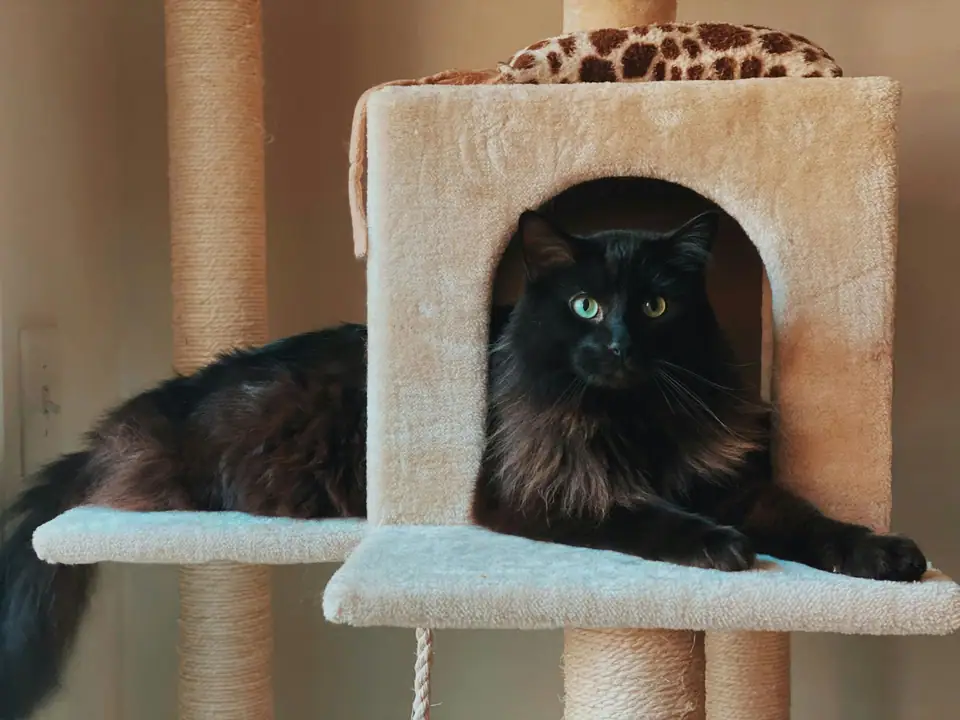
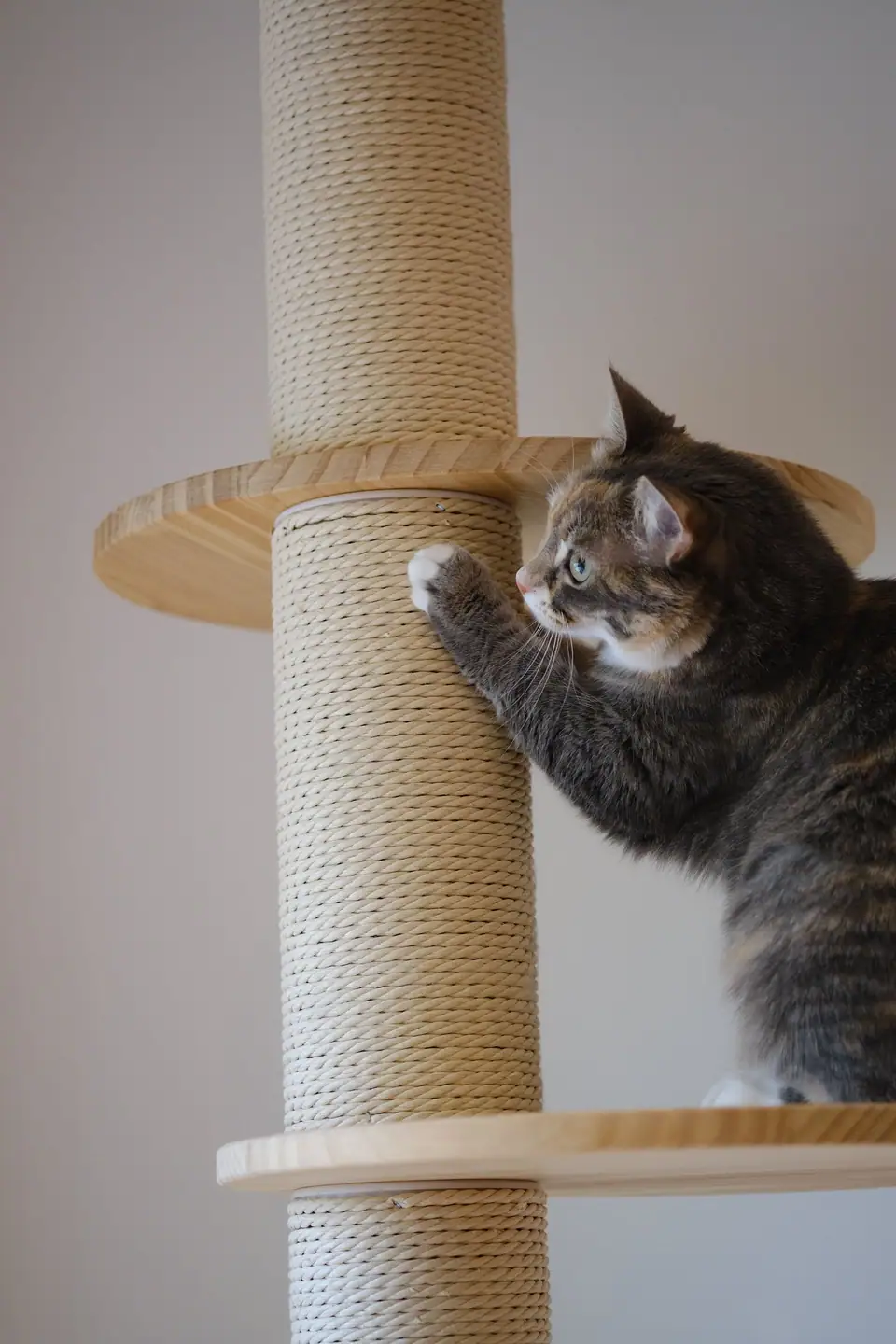
The AAFP and ISFM environmental needs guidelines say perches should be “wide enough and long enough to allow the cat to fully stretch.” The AAFP says scratchers should be “tall or long enough to allow full stretching and stable enough so they do not move or fall over.” A tree or post that works for a small cat can rock under a 20-pound one.
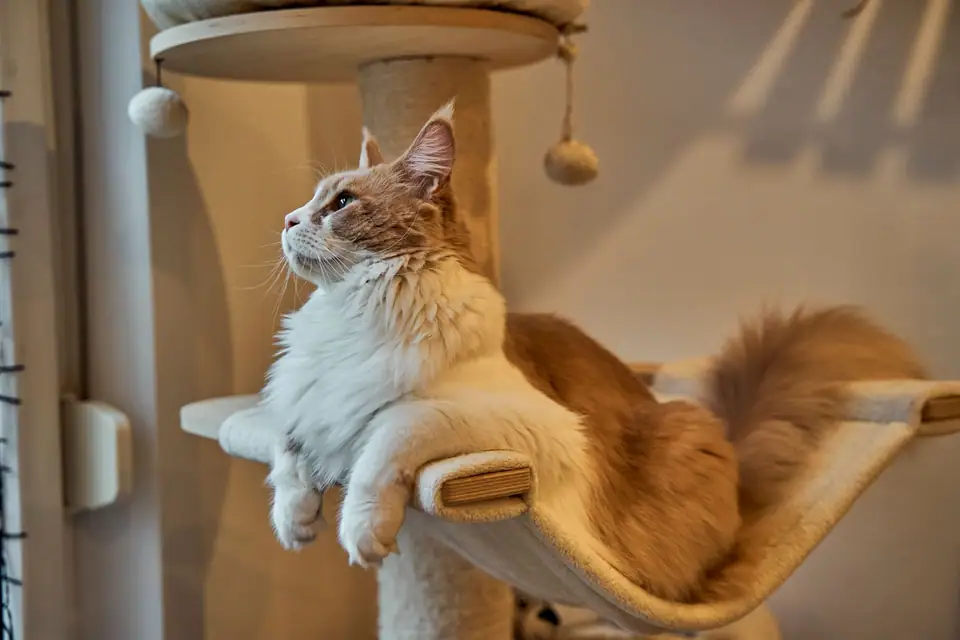
Look for a wide, heavy base, thick posts and a stated weight limit; cat trees for large cats compares makers’ figures. For scratching, the AAFP’s toolkit cites a survey that favored posts at least 3 feet tall; see scratching posts for large cats.
Cat trees built for heavy breeds
Live listings, shown by eBay
Opens eBay in a new tab. Check condition, seller feedback and returns.
Travel and outdoor time
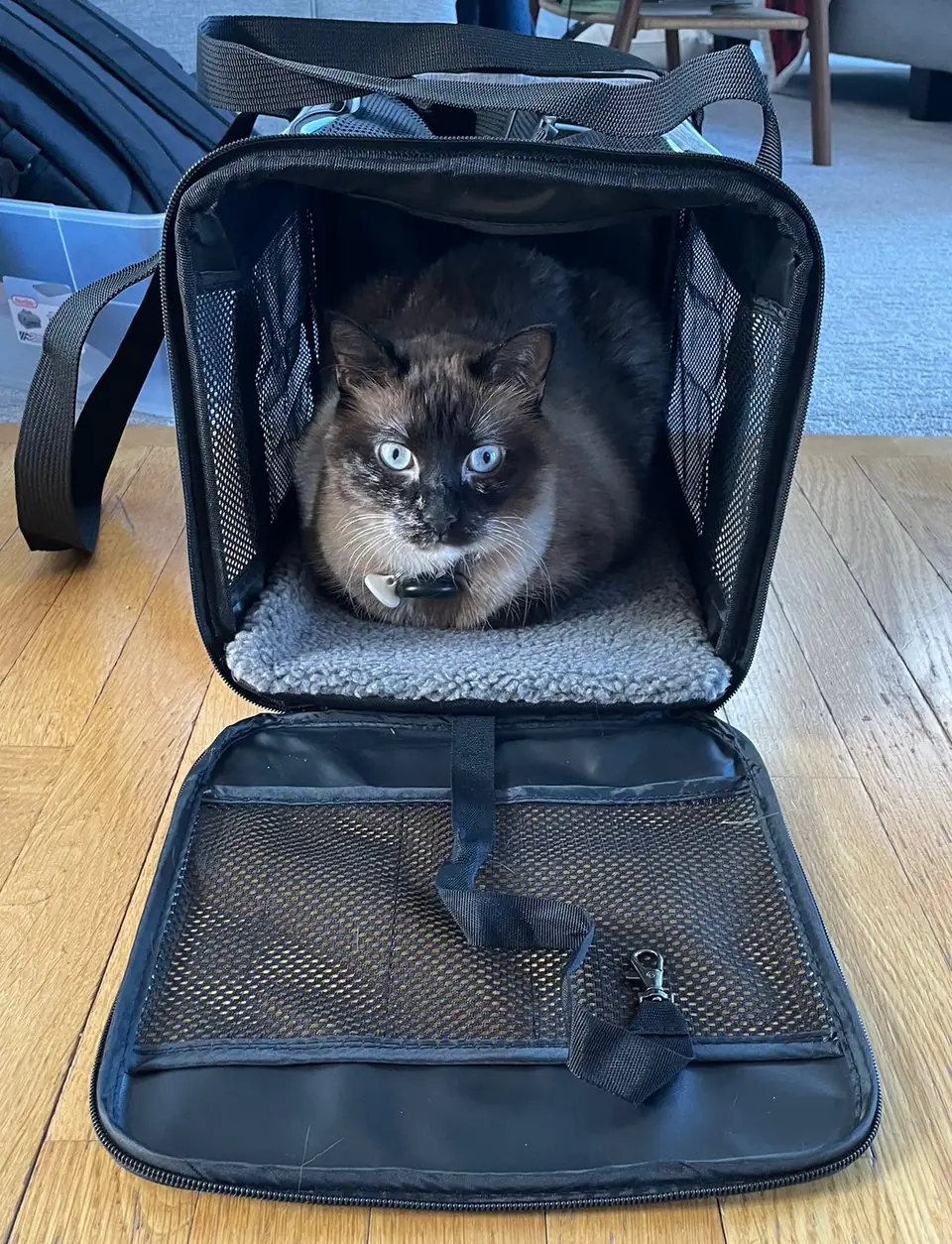
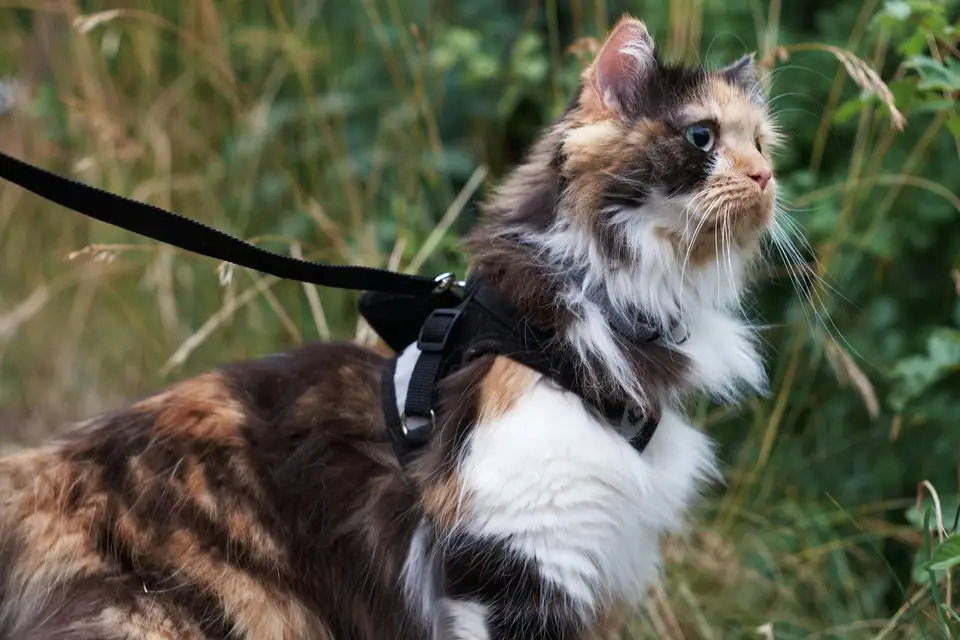
International Cat Care prefers a sturdy plastic carrier with a removable top half for vet visits, one per cat. A big cat needs one it can stand and turn around in, and airline in-cabin limits often rule out a full grown Maine Coon; see carriers for large cats. For walks, a harness fitted by chest girth and introduced slowly indoors is the safe route, and a cat is never left tethered alone; see harnesses for large cats. In both cases, measure the cat first, then compare with the maker’s figures.
What does not need sizing up
| Item | Big-cat change | Why |
|---|---|---|
| Bowls | A wider, shallow bowl if your cat prefers it | Evidence for whisker fatigue is thin; see feeding a Maine Coon |
| Grooming tools | None, but a long coat needs daily combing | See grooming a Maine Coon |
| Toys | Sturdier builds and bigger kickers | See toys for large cats |
| Food | No breed-specific nutrient profile exists | Life stage and calories matter more |
Beds, perches and window seats
The same perch rule applies to anywhere a big cat rests: wide and long enough to stretch out fully, in the words of the AAFP and ISFM guidelines. Compare the bed or perch length with your cat’s body length plus some room for the tail, and for any perch that hangs from a window or wall, check the maker’s stated weight limit and how it attaches, and compare both with your cat before buying. A heavy cat jumping onto a suction-cup perch tests it hard.
Where to start on a budget
If you can only replace one thing, make it the litter box. The 2014 AAFP and ISFM house-soiling guidelines put optimizing the litter box first among their two universal suggestions, and a storage bin of the right length costs little. Next comes a tall, steady scratching post, which protects furniture and gives a big cat a full stretch. A large tree, a self-cleaning box and furniture-grade pieces can wait until you know how your cat climbs, rests and uses its boxes, and how big it will finally get.
Gear by need

Buying for a cat that is still growing
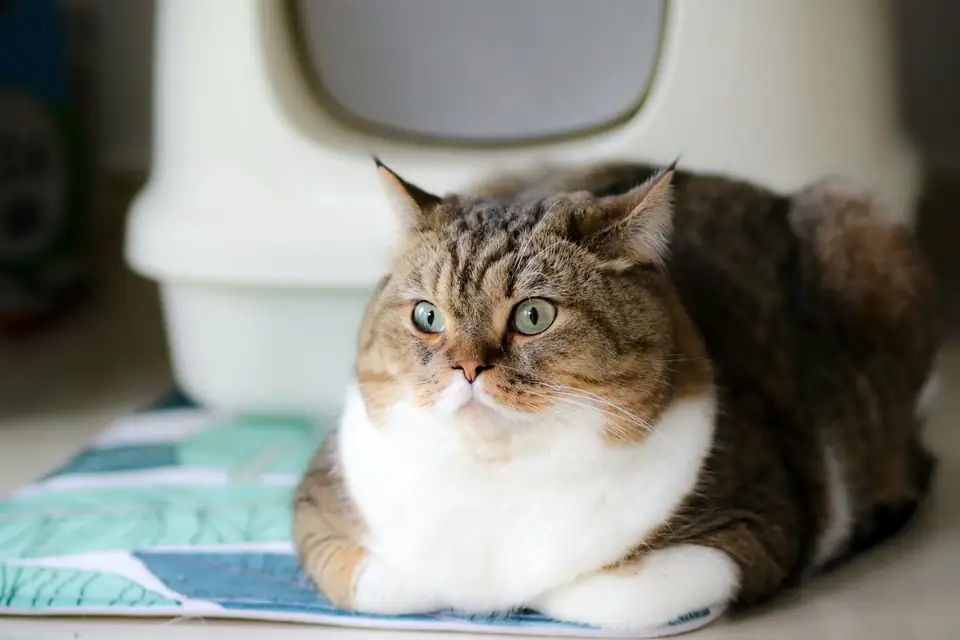
Large breeds take years to fill out: the Cat Fanciers’ Association gives up to three years for the Maine Coon and up to five for the Norwegian Forest Cat. Buy the litter box, tree and carrier for the adult size now. A harness is the exception: buy for the current chest size and size up as the cat grows. The breeds section has each breed’s registry size, and gifts for big cat lovers groups this gear by person.
Frequently asked questions
What supplies does a large cat need that a regular cat doesn't?
Mostly bigger and sturdier versions of the same things: a longer litter box, a cat tree with a wide base and deep perches, a taller scratching post, a roomier carrier and a larger harness. Bowls, most toys and grooming tools need only small changes.
How do I measure my cat for supplies?
Take three numbers: body length from nose to base of tail, weight, and chest girth just behind the front legs. Length sizes the litter box and perches, weight is checked against makers' limits, and girth sizes a harness.
Is a cat tree for large cats different from a regular cat tree?
It should have a wider, heavier base, thicker posts and perches big enough for the cat to lie stretched out, which the AAFP and ISFM environmental needs guidelines recommend. Check the maker's stated weight limit per platform.
Sources
- Feline House-soiling: Useful Information for Cat Caregivers (2026)Feline Veterinary Medical Association (formerly the AAFP)
- AAFP and ISFM Guidelines for Diagnosing and Solving House-Soiling Behavior in Cats (2014)Journal of Feline Medicine and Surgery, listed by the AAFP
- Choosing a litter tray for your catInternational Cat Care
- AAFP Claw Friendly Educational Toolkit: Scratching ResourcesAmerican Association of Feline Practitioners
- AAFP and ISFM Feline Environmental Needs Guidelines (2013)Journal of Feline Medicine and Surgery, hosted by the Canadian Veterinary Medical Association
- Cat Carer Guide: Visiting your vetInternational Cat Care
- Maine Coon CatThe Cat Fanciers' Association
Filed under Supplies
Keep reading
Question
Carriers for Large Cats: Size, Hard vs Soft, and Air Travel
What size carrier a large cat needs, hard versus soft carriers for vet visits, carrying a heavy cat, and the airline in-cabin limits that rule out big cats.
Supplies
Comparison
Cat Trees for Large Cats: Base, Posts and Perches That Hold
How to choose a cat tree for a large, heavy cat: base footprint, post thickness, perch size, maker weight limits, wall straps and furniture-grade options.
Supplies
Guide
Harnesses for Large Cats: Fit, Escape-Proof Designs, Training
How to fit a harness on a large cat, vest versus H-style harnesses, escape-resistant features, harness training, and why a cat is never left tethered.
Supplies